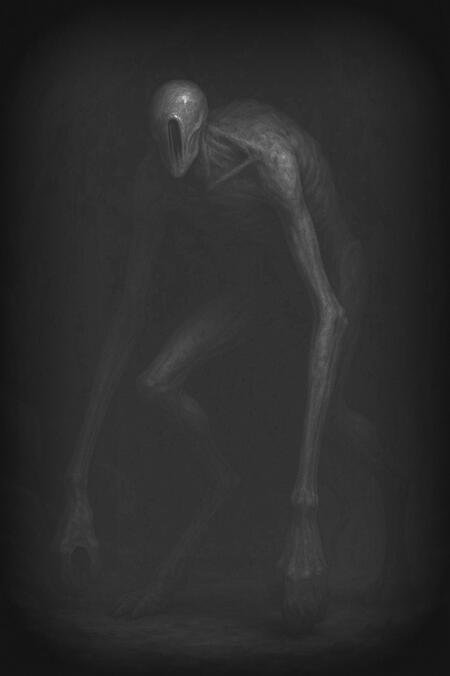
What is it
you think you need
— A portrayal of Echo Ahn .
WÉTIKO
for whatever a man sows, this he will also reap.
001. This is a roleplay account, admin will only interact with other roleplay accounts. 002. Admin is an adult, born 1991. MINORS DO NOT INTERACT. 003. Slow DMs, prefers timeline interactions.
004. Admin will answer all questions and conversations strictly in character. All OOC interactions should be limited. If OOC discussion is necessary, please clarify directly. 005. Admin does not own any photographs, videos, or images used.

NAME echo ahnAGE unknown; appears to be around 33DATE OF BIRTH november 11thGENDER & PRONOUNS man, he/himORIENTATION bisexual
HEIGHT 6'3"FACE CLAIM ig: @ciel0ASTROLOGY scorpioMTBI istpENNEAGRAM Type 2
SIGNIFICANT OTHER 3NPETS black cat named AgnesOCCUPATION singer at a paranormal barLANGUAGES englishABILITIES - shape-shifting — as a wendigo, echo is able to shape-shift into his true form at will. his human appearance can change to any identity at will.
- strength — superhuman strength in human and wendigo form, though stronger in wendigo form.
- speed — superhuman speed in human and wendigo form, though faster in wendigo form.
I have no interest in the surface
If you let me close, I will devour
I want to touch your darkest shadows
I want to breathe in your ethereal hope
I want to bleed your lonely pain
I want to taste your desperate needs
I do not know any other way to beBorn over a thousand years ago in the mountainous woods of Appalachia within his isolated village, a young boy was raised among cultists. Murky childhood memories of the men becoming warriors filled his mind with imaginings of becoming a warrior one day just like them. So he did; as he grew, he became a fearsome fighter. He joined the ranks of what he believed were the protectors. Yet in this cult, they did not guard and protect, but conquer and pillage. His young malleable mind was brainwashed, believing his actions were the will of their god.Finally, he stood a grown man, a rising leader in their cult’s military forces. It was on the night of a new moon, no silvery light to guide the way, that he was led to the altar. A man from a warring clan lay tied up and helpless, his eyes bulging, only the stars rejected on his enlarged pupils. The ascension ritual began. The man's throat was slit and the young man drank from the chalice of his blood, teeth staining red. The man's heart was carved out next, splintered ribs fractured at unnatural angles, white bone catching the dim starlight. The heart was handed to him.It was after he sank his teeth into the muscle, blood dripping down his chin, the tough fibers sliding reluctantly into his stomach and gut, when the wendigo attacked. Fierce warriors though they were among men, these humans were sliced and ripped and torn by this one wendigo. He felt a hot slash across his abdomen and he fell to the earth, trying to hold in his intestines. He was beyond pain, beyond sensation and reason as he watched the entirety of his cult's military torn into gruesome pieces.Bodies lay strewn about, limbs and organs splattered amongst the trees, as the man leaned in fear back against the altar as the wendigo approached him last. It stood 13 feet tall, skin black as a shadow wrapped tightly around sinew and bone, it's limbs unnaturally long and distended, its eyes nearly invisible but for how the starlight caught in them. Its long slit of a mouth opened, baring razored fangs. But one warrior, still panting his last breaths, an old man with knowledge of such creatures, threw flames upon the beast. Its dark soon caught as if as dry and brittle as tinder. Its shriek shook the forest air, birds and bars taking flight from miles away.The monster fell to its knees as it burned, its body falling to pieces of ash more inches from where the man lay dying. Its eyes stared into his for a moment that seemed like it would never end. And then the beast was gone. The moment of relief that he felt was short lived — it was a second later that due began to burn through him. His body was ripping, stretching, transforming. He screamed and his mouth opened wider than it should have been able to - his teeth lengthening and sharpening into deadly razors.His scream was the scream of the wendigo that died seconds ago. Or had it? Had he? His mind lost grip on reality. Memories were flooding into his head, the most recent of tearing up the human warriors - his warriors? - the long stalking of them through the woods to the ritual sight. Then another memory - another man eating a human, the transference, the new body. Again and again these memories of transference from body to body flooded his mind. When it stopped, the new body of the monster was sprawled on his back on the altar. He couldn't remember his name. Or he could — he was Echo now.He had been Echo forever.
This is a creative fictional interpretation of traditional wendigo mythology. This portrayal of wendigos is based on traditional Algonquin folklore, but will not be 100% accurate to traditional stories. For more information on traditional wendigo folklore, please visit the History tab.
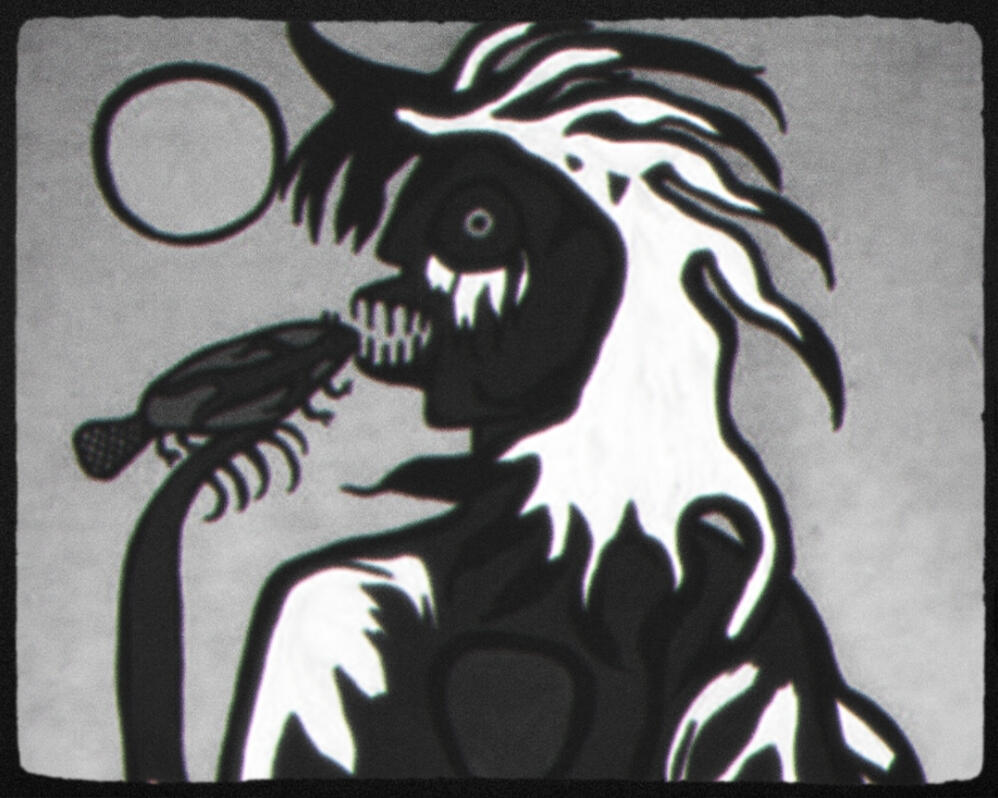
wendigo.
”The wendigo stories of Algonquian peoples offer a window into the endurance of cultural resources used to transmit significant moral values, and underscore the power of Native people using these stories to engage in social critique. One does not need to delve very deeply into the annals of American film, television, and literature to find an array of caricatured depictions of Native American peoples and a distortion of their knowledge. One recurring theme across these storytelling mediums is the use of the “wendigo”—also spelled “wétiko”—a monstrous figure from Algonquian mythology who exhibits an insatiable greed along with a desire for human flesh. From Stephen King’s Pet Sematary to the television series Hanibal, the flesh-eating image of the wendigo is often presented apart from its original cultural contexts where it carries deep moral significance. The latest addition to this lineup of wendigo tales is Scott Cooper and Guillermo del Toro’s horror film Antlers (2021) in which a Native American character provides some brief exposition before the story centered around a white community contending with the monster begins in earnest. Though these misrepresentations of the wendigo beg for critical interrogation, the wendigo stories of Algonquian peoples offer a window into the endurance of cultural resources used to transmit significant moral values, and underscore the power of Native people using these stories to engage in social critique."
- Facing History" The wendigo, rooted in Native North American folklore, is a creature associated with an insatiable hunger for human flesh. Primarily found in the legends of the Algonquin and other indigenous peoples of the Great Lakes region, the wendigo is often depicted as a gaunt giant, wandering the remote woods in search of prey. Cultural interpretations vary, with some viewing it as an evil spirit capable of possession, while others suggest that a human becomes a wendigo through greed or cannibalism. Characteristically described as emaciated, with glowing eyes and sharp claws, tales often portray the wendigo as a relentless hunter that grows ever more famished as it consumes flesh. [...] A variation of the legend holds that a wendigo would possess or punish a human who displayed extreme greed and reward those who practiced moderation."
- EBSCO" The wendigo legend exists in the oral history of North American tribes predating Europeans’ arrival in North America. Some anthropologists believe the legend developed as a cautionary tale about the importance of community to guard against individual greed, selfishness, and isolation. The wendigo was a personification of cold and hunger in a time when human survival relied on banding together and sharing resources, particularly during the long, harsh winters of the northern wilderness. The legend may also have served as a warning to children not to wander too far into the woods. [...] For centuries Indigenous artists and activists have drawn on the wendigo legend both literally and metaphorically to address such issues as colonialism, violence, and environmental destruction."
- Britannica